详情
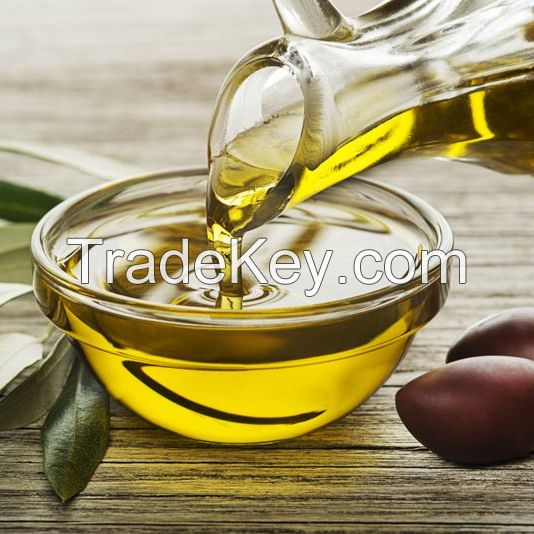
Olive oil specifications, particularly for extra virgin olive oil
(EVOO), focus on acidity, sensory characteristics, and chemical
composition, with EVOO requiring a free acidity of no more than
0.8% and no sensory defects.
Here's a more detailed breakdown:
Extra Virgin Olive Oil (EVOO) Specifications:
Acidity: The free acidity, expressed as oleic acid, must be no
more than 0.8%.
Sensory Characteristics: EVOO should have a "favorable flavor"
and no sensory defects.
Chemical Composition:
Fatty Acids: EVOO is primarily composed of oleic acid (up to
*3%), with smaller amounts of linoleic acid (up to *1%) and
palmitic acid (up to *0%).
Other Components: EVOO also contains natural antioxidants,
vitamin E, and phytosterols.
Other grades of olive oil:
Virgin Olive Oil: has a free acidity of less than 2 percent and
conforms to all the other standards in its category.
Refined Olive Oil: Is made by refining virgin olive oil to remove
impurities and reduce acidity.
Olive Pomace Oil: Is made from the remaining olive pulp after the
first pressing and is then refined.
Ordinary Virgin Olive Oil: Oil with a lower organoleptic rating
(defects from the mean of tastes 2.5 to less than 6.0), a free
acidity of less than 3.3 percent, and conformity within its
category for all other standards.
International Olive Council (IOC) Standards:
The IOC sets standards for olive oil grades and quality.
The IOC standards include specifications for free acidity,
peroxide value, UV absorbance, and other parameters.
Color and Appearance:
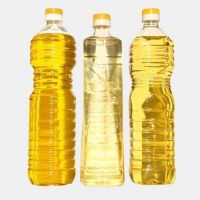
The color of olive oil can vary from yellow to green, depending
on the olive variety and growing region.
A good quality olive oil should be clear and not cloudy.
Storage:
Olive oil should be stored in a cool, dark place to prevent
oxidation and maintain its quality.
********************************************************************************************-
Olive oil specifications, particularly for extra virgin olive oil
(EVOO), focus on acidity, sensory characteristics, and chemical
composition, with EVOO requiring a free acidity of no more than
0.8% and no sensory defects.
Here's a more detailed breakdown:
Extra Virgin Olive Oil (EVOO) Specifications:
Acidity: The free acidity, expressed as oleic acid, must be no
more than 0.8%.
Sensory Characteristics: EVOO should have a "favorable flavor"
and no sensory defects.
Chemical Composition:
Fatty Acids: EVOO is primarily composed of oleic acid (up to
*3%), with smaller amounts of linoleic acid (up to *1%) and
palmitic acid (up to *0%).
Other Components: EVOO also contains natural antioxidants,
vitamin E, and phytosterols.
Other grades of olive oil:
Virgin Olive Oil: has a free acidity of less than 2 percent and
conforms to all the other standards in its category.
Refined Olive Oil: Is made by refining virgin olive oil to remove
impurities and reduce acidity.
Olive Pomace Oil: Is made from the remaining olive pulp after the
first pressing and is then refined.
Ordinary Virgin Olive Oil: Oil with a lower organoleptic rating
(defects from the mean of tastes 2.5 to less than 6.0), a free
acidity of less than 3.3 percent, and conformity within its
category for all other standards.
International Olive Council (IOC) Standards:
The IOC sets standards for olive oil grades and
quality.
The IOC standards include specifications for free acidity,
peroxide value, UV absorbance, and other parameters.
Color and Appearance:
The color of olive oil can vary from yellow to green, depending
on the olive variety and growing region.
A good quality olive oil should be clear and not
cloudy.
Storage:
Olive oil should be stored in a cool, dark place to prevent
oxidation and maintain its quality.
=============================================================
Olive oil specifications, particularly for extra virgin olive oil
(EVOO), focus on acidity, sensory characteristics, and chemical
composition, with EVOO requiring a free acidity of no more than
0.8% and no sensory defects.
Here's a more detailed breakdown:
Extra Virgin Olive Oil (EVOO) Specifications:
Acidity: The free acidity, expressed as oleic acid, must be no
more than 0.8%.
Sensory Characteristics: EVOO should have a "favorable flavor"
and no sensory defects.
Chemical Composition:
Fatty Acids: EVOO is primarily composed of oleic acid (up to
*3%), with smaller amounts of linoleic acid (up to *1%) and
palmitic acid (up to *0%).
Other Components: EVOO also contains natural antioxidants,
vitamin E, and phytosterols.
Other grades of olive oil:
Virgin Olive Oil: has a free acidity of less than 2 percent and
conforms to all the other standards in its category.
Refined Olive Oil: Is made by refining virgin olive oil to remove
impurities and reduce acidity.
Olive Pomace Oil: Is made from the remaining olive pulp after the
first pressing and is then refined.
Ordinary Virgin Olive Oil: Oil with a lower organoleptic rating
(defects from the mean of tastes 2.5 to less than 6.0), a free
acidity of less than 3.3 percent, and conformity within its
category for all other standards.
International Olive Council (IOC) Standards:
The IOC sets standards for olive oil grades and
quality.
The IOC standards include specifications for free acidity,
peroxide value, UV absorbance, and other parameters.
Color and Appearance:
The color of olive oil can vary from yellow to green, depending
on the olive variety and growing region.
A good quality olive oil should be clear and not
cloudy.
Storage:
Olive oil should be stored in a cool, dark place to prevent
oxidation and maintain its quality.
==============================================================
Olive oil specifications, particularly for extra virgin olive oil
(EVOO), focus on acidity, sensory characteristics, and chemical
composition, with EVOO requiring a free acidity of no more than
0.8% and no sensory defects.
Here's a more detailed breakdown:
Extra Virgin Olive Oil (EVOO) Specifications:
Acidity: The free acidity, expressed as oleic acid, must be no
more than 0.8%.
Sensory Characteristics: EVOO should have a "favorable flavor"
and no sensory defects.
Chemical Composition:
Fatty Acids: EVOO is primarily composed of oleic acid (up to
*3%), with smaller amounts of linoleic acid (up to *1%) and
palmitic acid (up to *0%).
Other Components: EVOO also contains natural antioxidants,
vitamin E, and phytosterols.
Other grades of olive oil:
Virgin Olive Oil: has a free acidity of less than 2 percent and
conforms to all the other standards in its category.
Refined Olive Oil: Is made by refining virgin olive oil to remove
impurities and reduce acidity.
Olive Pomace Oil: Is made from the remaining olive pulp after the
first pressing and is then refined.
Ordinary Virgin Olive Oil: Oil with a lower organoleptic rating
(defects from the mean of tastes 2.5 to less than 6.0), a free
acidity of less than 3.3 percent, and conformity within its
category for all other standards.
International Olive Council (IOC) Standards:
The IOC sets standards for olive oil grades and
quality.
The IOC standards include specifications for free acidity,
peroxide value, UV absorbance, and other parameters.
Color and Appearance:
The color of olive oil can vary from yellow to green, depending
on the olive variety and growing region.
A good quality olive oil should be clear and not
cloudy.
Storage:
Olive oil should be stored in a cool, dark place to prevent
oxidation and maintain its quality.
| 国家: |
South Africa |
| 型号: |
-
|
| 离岸价格: |
1000 ~ 1500 / Metric Ton ( Negotiable ) (面議)
获取最新报价
|
| 位置: |
SOUTH AFRICA |
| 最小订单价格: |
1000 per Metric Ton |
| 最小订单: |
1 Metric Ton |
| 包装细节: |
AS PER BUYER REQUEST |
| 交货时间: |
7-25 DAYS |
| 供应能力: |
5000 Metric Ton per Month |
| 付款方式: |
L/C |
| 產品組 : |
REFINED COOKING OILS
|