联系人 Evan
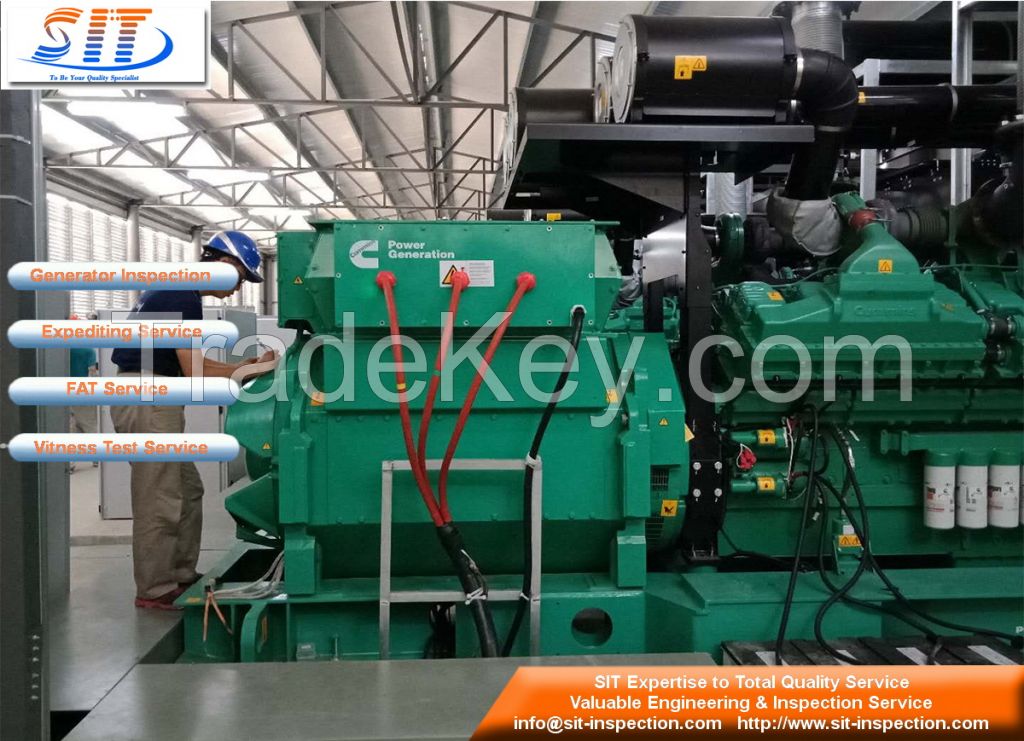
Check for any visible signs of damage or leaks on the
generator
> Visually inspect all parts of the
generator for cracks, dents, or other signs of damage
> Look for any puddles or stains that could
indicate a leak
Ensure all bolts
and connections are secure
> Tighten
any loose bolts or connections
> Check for
any signs of rust or corrosion on the fasteners
Verify that the
generator is stored in a clean and dry environment
> Remove any
debris or clutter around the generator
> Ensure the
area is free from moisture or standing water
Inspect the fuel
tank for any corrosion or leaks
> Look for
rust or holes in the fuel tank
> Check for
any fuel stains or odors
Check the oil
level and quality
> Check the
oil level using the dipstick
> Inspect
the oil for any discoloration or debris
Inspect the
exhaust system for any blockages or damage
> Check the
exhaust pipe for any obstructions
> Look for
holes or rust in the exhaust system
Check the air
filters for dirt or debris buildup
> Inspect
the air filters for clogs or dirt accumulation
> Clean or
replace the filters if necessary
Verify that all
warning labels and safety information are present and
legible
> Check for
any missing or faded warning labels
> Ensure
that safety information is easy to read and understand
Ensure that the
emergency stop is functioning properly
> Test the
emergency stop to ensure it stops the generator
> Check for
any damage or wear on the
Inspect the
cooling system for any leaks or damage
> Check for
any coolant leaks around the radiator or hoses
> Inspect
the radiator for any signs of damage
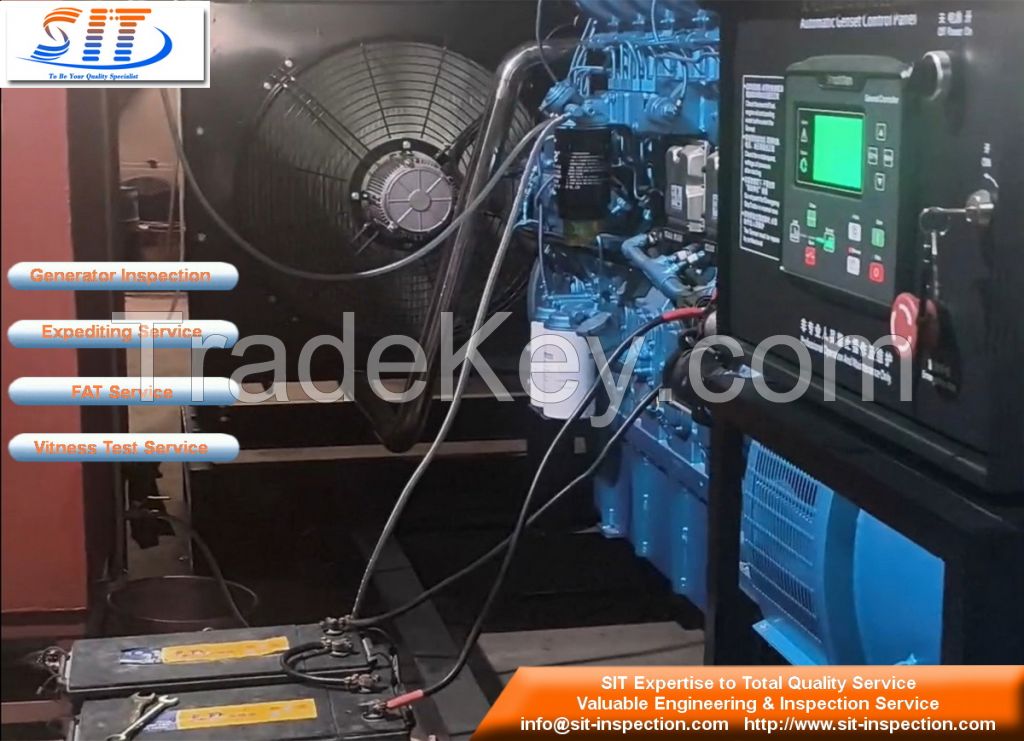
Check the
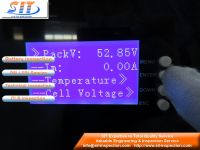
battery for proper voltage and connections
> Measure
the battery voltage with a multimeter
> Inspect
the battery terminals for corrosion or loose
connections
Electrical
Components
Test the battery
and ensure it is fully charged
> Use a
multimeter to test the battery voltage
> Check the
electrolyte levels if applicable
> Charge the
battery if voltage is low
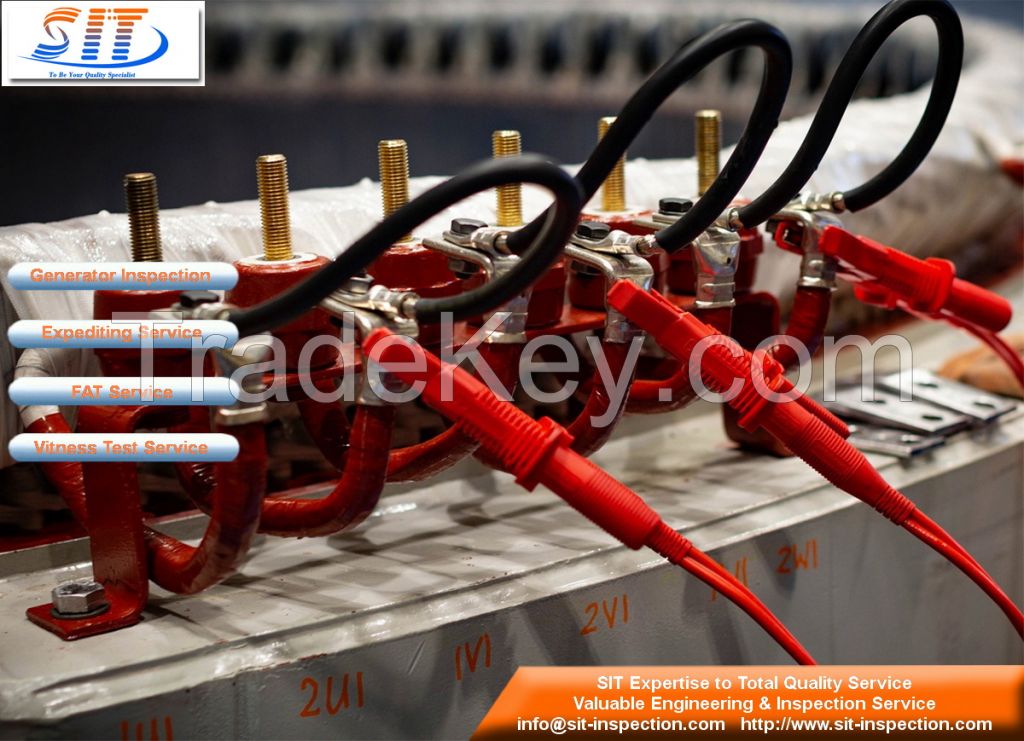
Inspect the
wiring and connections for any signs of wear or damage
> Visually
inspect all wiring for fraying or corrosion
> Tighten
any loose connections
> Replace
any damaged wiring
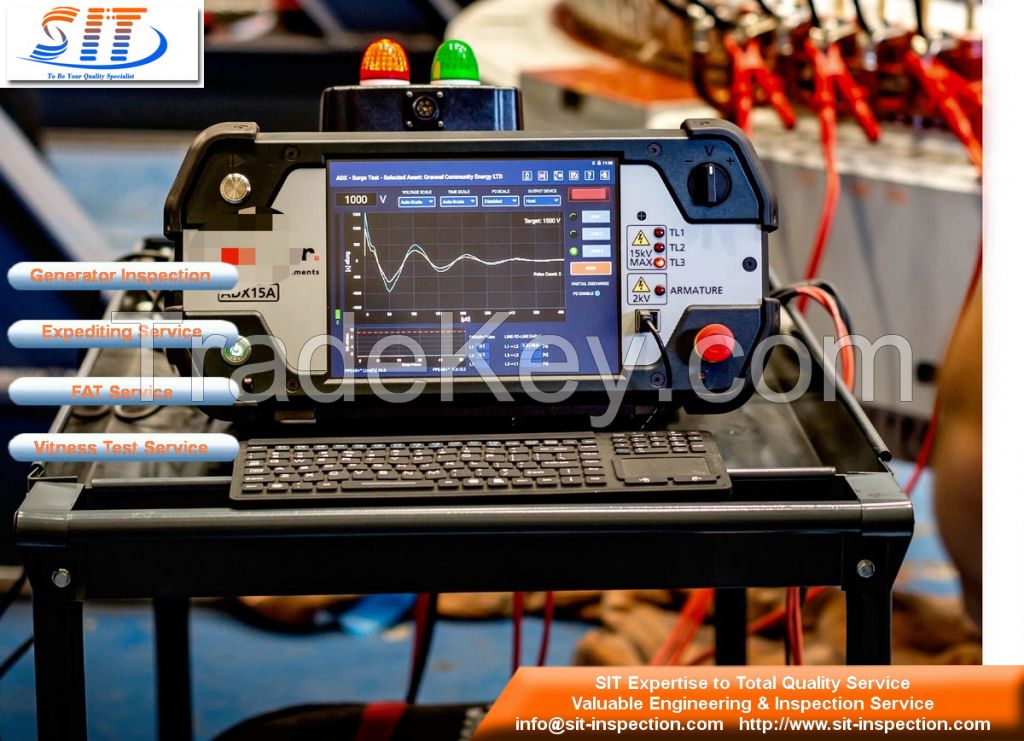
Test the voltage
output of the generator
> Connect a
voltmeter to the generator output
> Run the
generator at full load to test voltage stability
> Compare
the output voltage to the manufacturers specifications
Check the
circuit breakers for proper function
> Toggle
each circuit breaker to ensure they trip properly
> Check for
any signs of overheating or damage
> Reset any
tripped breakers
Inspect the
control panel for any error codes or malfunctions
> Check the
display for any error messages
> Test all
control functions for proper operation
> Address
any error codes or malfunctions immediately
Check the
condition of the alternator and ensure it is functioning
properly
> Inspect
the alternator for any signs of damage or overheating
> Test the
output voltage of the alternator
> Listen for
any abnormal noises during operation
Inspect the
voltage regulator for any signs of damage or
malfunction
> Visually
inspect the regulator for any physical damage
> Test the
regulators output voltage under load
> Replace
the regulator if any issues are found
Test the
ignition system to ensure proper starting
> Check the
spark plugs for wear or fouling
> Test the
ignition coil for proper function
> Verify the
starter motor engages smoothly
Verify that all
electrical connections are secure and properly
insulated
> Check all
terminal connections for tightness
> Inspect
the insulation on all wires for any damage
> Secure any
loose connections with proper fasteners
Inspect the
grounding system to ensure it is in good condition
> Check the
grounding rod connection for corrosion
> Test the
grounding system with a multimeter
> Ensure the
grounding system meets safety standards
Mechanical Components
Check the air
filter and clean or replace if necessary
> Remove air
filter cover
> Inspect
air filter for dirt and debris
> Clean air
filter if dirty
> Replace
air filter if damaged
Inspect the
spark plugs and replace if needed
> Locate
spark plugs
> Inspect
spark plugs for wear or damage
> Replace
spark plugs if necessary
Verify that the
cooling system is functioning properly
> Check
coolant level
> Inspect
hoses for leaks or damage
> Ensure
radiator is clean and free of debris
Test the starter
motor and alternator
> Check for
proper connection
> Test
starter motor for proper function
> Test
alternator for charging capability
Check the
exhaust system for any blockages or leaks
> Inspect
exhaust pipes for blockages
> Check for
leaks at connections
> Listen for
unusual noises when running
Inspect the fuel
system for any leaks or damage
> Check fuel
lines for leaks
> Inspect
fuel tank for damage
> Ensure
fuel filter is clean
Check the engine
oil level and condition
> Locate oil
dipstick
> Check oil
level
> Inspect
oil for discoloration or particles
> Change oil
if necessary
Verify proper
belt tension and condition
> Check belt
tension with tension gauge
> Inspect
belts for cracks or fraying
> Adjust
tension if necessary
Test the engine
compression
> Use
compression gauge to test each cylinder
> Compare
readings to manufacturers specifications
> Address
any significant variations
Inspect the
governor operation
> Locate
governor mechanism
> Check for
smooth operation
> Adjust if
necessary
Check the engine
mounts for any signs of wear or damage
> Visually
inspect engine mounts
> Check for
cracks or wear
> Replace
mounts if necessary
Operational Testing
> Start the generator and monitor for any
unusual noises or vibrations
> Run the generator under load for at least
*0 minutes
> Test the automatic shutdown system by
simulating a power outage
> Verify that the generator transfers power
to the connected equipment smoothly
> Record the results of the operational
tests.
Why
(and When) Do You Need a Generator Inspection?
Power outages can occur
unexpectedly due to weather events, infrastructure issues, or
other unforeseen circumstances. A reliable power source is
crucial for homes and businesses alike, and thats where standby
generators come in. However, for your generator to provide
uninterrupted power when you need it most, regular inspections
are essential. Heres everything you need to know about generator
inspections and how partnering with SIT Engineer Experts can help
keep your residential or commercial property safer and more
efficient!
Whether you have a diesel generator, a portable generator, or an automatic standby generator, its built for the same purpose: to keep your electrical system running during a power outage. Like any piece of machinery, it requires preventive maintenance to ensure optimal performance.
| 国家: | China |
| 型号: | - |
| 离岸价格: | 238 ~ 288 / Set 获取最新报价 |
| 位置: | - |
| 最小订单价格: | 238 per Set |
| 最小订单: | 1 Set |
| 包装细节: | - |
| 交货时间: | 24h |
| 供应能力: | - |
| 付款方式: | Other, PayPal, D/A, L/C |
| 產品組 : | - |