详情
Valves
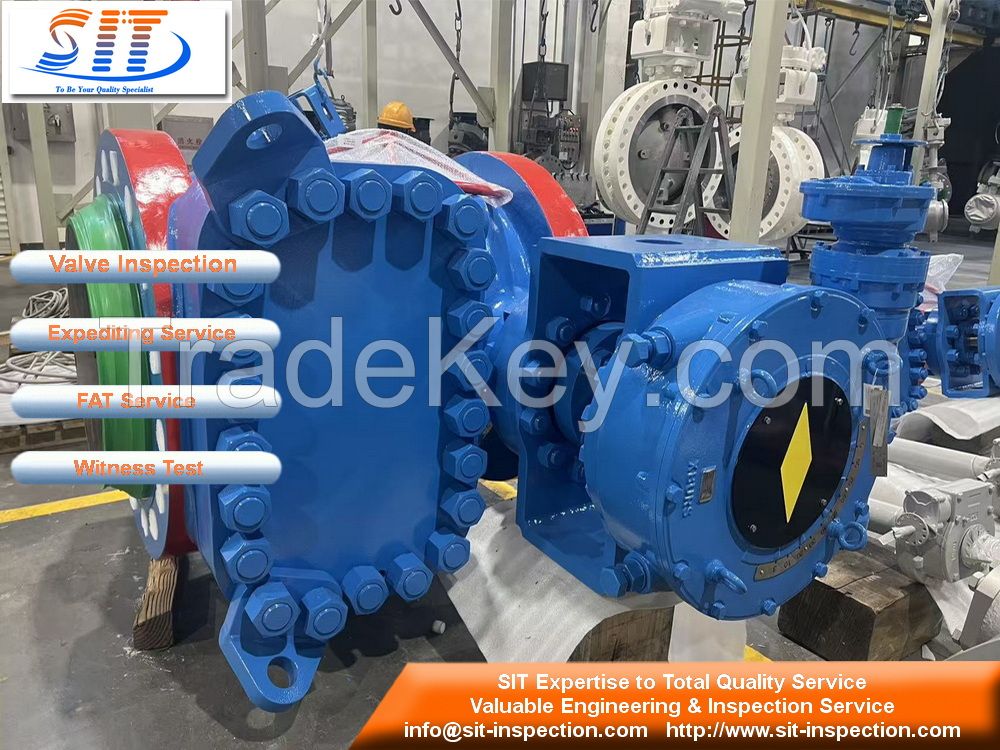
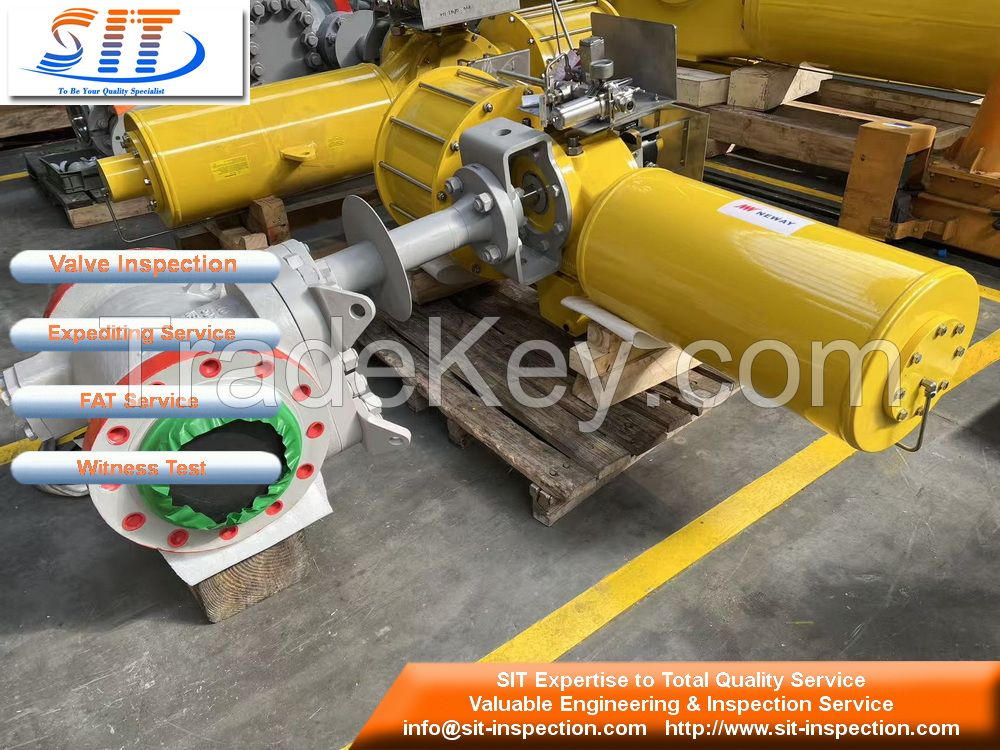
Inspection
Valves
are essential components in critical industries such as oil and
gas, chemical processing, and power generation, directly
influencing operational safety and productivity. Even small valve
defects can have severe consequences. For example, a small
unnoticed leak in a chemical processing plant can quickly disrupt
production, cause equipment damage, and produce substantial
financial losses.
With
over *0 years of expertise, SIT Inspection Engineer helps
companies worldwide prevent these costly scenarios
through valve
inspections. In this article,
we outline proven quality control methods, identify common defects,
and provide a valve inspection checklist, assisting businesses in
maintaining consistent quality, ensuring regulatory compliance, and
protecting their operational integrity.
Common Quality
Defects in Valve Inspection
Through
extensive field experience, Pro QC International has identified
recurring defects commonly found during valve inspections. Here are
the main categories of defects inspectors typically
encounter:
1. Visual and Surface
Defects
Visual
defects affect valve appearance and durability, potentially
impacting its performance and longevity. Common issues
include:
-
Surface scratches
and dents: Often caused by mishandling during
manufacturing or transport, these marks can lead to premature
corrosion or compromise sealing surfaces.
-
Rust and
corrosion: Exposure to moisture or poor storage
conditions may cause rust, weakening the valve structure or
affecting its operation.
-
Coating or painting
defects: Poor paint application, uneven coating, or
inadequate protective coatings can result in early wear,
affecting aesthetics and resistance to harsh
environments.
2. Dimensional and Tolerance
Issues
Dimensional accuracy is crucial to valve
performance and safe operation. Typical dimensional defects
include:
-
Incorrect
dimensions: Deviations in valve body size, flange
measurements, or internal component sizes can prevent proper
installation and functionality.
-
Thread
defects: Misaligned or damaged threads may
compromise connections, leading to leaks or operational
failure.
-
Tolerance
violations: Valves produced outside specified
tolerances may not meet required performance standards,
resulting in higher rejection rates during
installation.
3. Material and Construction
Flaws
The
integrity of valve materials and manufacturing processes is
critical. Common material and construction defects
are:
-
Casting
defects: Porosity, voids, and cracks can occur
during casting, weakening structural integrity and increasing
the risk of valve failure.
-
Welding
issues: Poor welds such as incomplete fusion,
cracks, or porosity in welded joints may lead to leaks or
catastrophic valve failures under pressure.
-
Incorrect
materials: Using materials that do not meet
specifications may result in chemical incompatibility,
premature wear, or reduced lifespan, particularly under harsh
operating conditions.
4. Functional and Operational
Defects
Functional defects directly affect the valves
intended operation and reliability:
-
Leakage: Valves
may fail pressure tests due to leaks caused by defective seals,
improper assembly, or material flaws, potentially creating
hazardous operational conditions.
-
Improper
actuation: Valves that do not open or close
properly due to issues with torque, alignment, or internal
mechanisms can cause severe performance problems.
-
Sticky or jammed
operation: Difficulty in operation, caused by
manufacturing errors, damaged components, or inadequate
lubrication, can prevent proper valve functionality and
compromise system efficiency.
Valve Quality Control Methods and Testing
Procedures
Quality
control for valves involves specific inspections and tests designed
to ensure products are reliable, safe, and meet all technical
requirements. At Pro QC, we follow structured procedures at every
stage of valve production to identify defects early and maintain
high standards. Our valve quality control methods
include:
Incoming Material
Inspection
Ensuring
valves meet quality standards begins with incoming material
inspection. This critical first step verifies that raw materials
meet specified criteria before production starts. Key tests
include:
-
Material
Verification:
Checking material certificates against industry standards,
ensuring materials match purchase orders and
specifications.
-
Visual
Inspection:
Examining raw materials visually for surface defects,
corrosion, or contamination.
-
Chemical and
Mechanical Testing:
Conducting hardness, tensile strength, and chemical composition
tests to verify that materials conform to the required
mechanical properties and standards.
Dimensional Inspection and Measurement
Checks
Dimensional accuracy ensures valves function
correctly, fit precisely, and maintain compatibility with connected
equipment. Common measurement procedures include:
-
Dimensional
Verification:
Using precision instruments such as calipers, gauges, and
coordinate measuring machines (CMM) to confirm dimensions match
engineering drawings.
-
Thread
Inspection:
Checking threads carefully for consistency, accuracy, and
absence of damage using thread gauges.
-
Tolerance
Evaluation:
Confirming dimensional tolerances meet specified limits to
guarantee proper assembly and functionality.
Functional Performance
Testing
Valves
must reliably perform their intended function under operational
conditions. To confirm proper function, Pro QC carries out rigorous
performance testing, including:
-
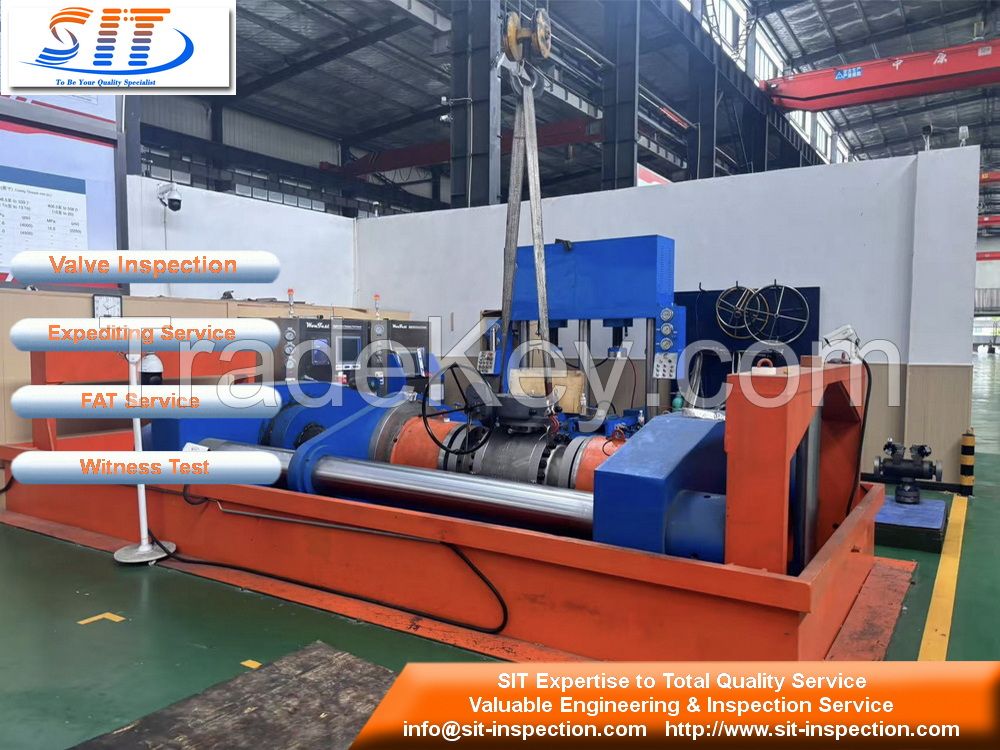
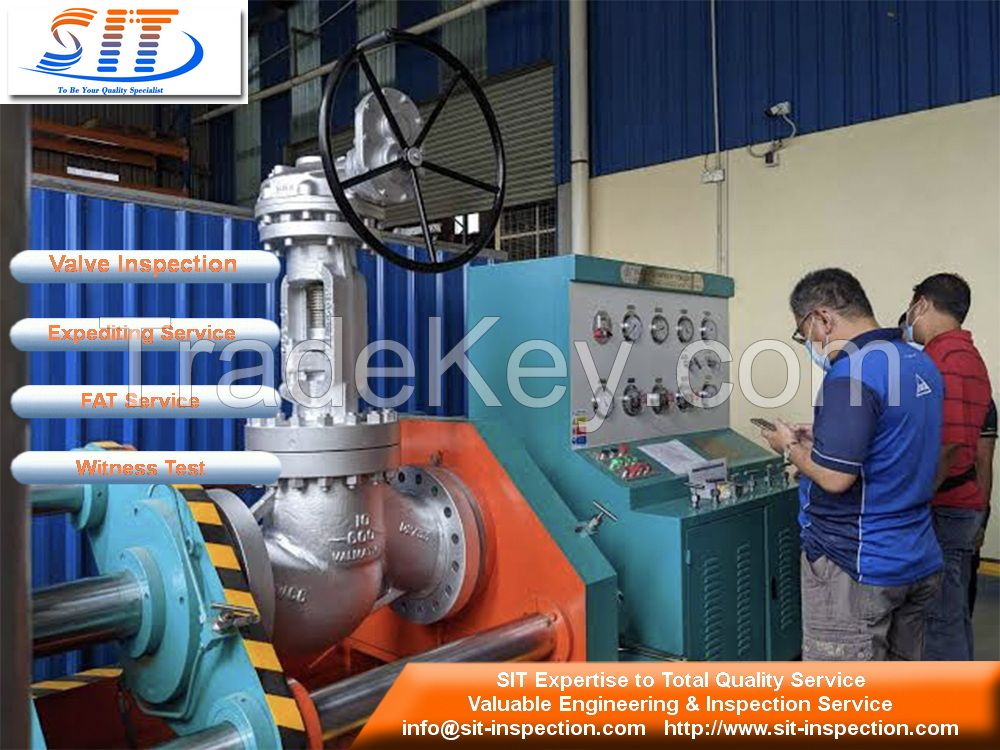
Pressure Testing
(Hydrostatic and Pneumatic Tests):
Applying controlled internal pressure to check for leaks,
deformation, or structural failure. Hydrostatic tests typically
involve filling valves with water at high pressure, while
pneumatic tests use air or inert gas.
-
Leakage
Testing:
Performing bubble tests or helium leak tests to detect even
minor leaks, ensuring valve integrity and safety.
-
Operational and
Torque Testing:
Measuring required torque for valve operation to confirm smooth
opening and closing, and verifying actuator functionality
according to manufacturer specifications.
Non-Destructive Testing
(NDT)
Non-destructive testing (NDT) methods assess
valve integrity without damaging the product. These inspections
identify hidden defects in valve materials and welds, ensuring
reliability and safety:
-
Visual Testing
(VT):
Carefully examining valves under controlled lighting conditions
to detect visible defects such as cracks, porosity, or
incomplete welds.
-
Ultrasonic Testing
(UT):
Using high-frequency sound waves to detect internal flaws in
valve materials, such as cracks or voids, not visible on the
surface.
-
Radiographic
Testing (RT):
Employing X-rays or gamma rays to identify internal defects in
castings, forgings, or welds.
-
Magnetic Particle
Testing (MT):
Detecting surface or near-surface discontinuities using
magnetic fields, effective particularly on ferrous valve
components.
-
Dye Penetrant
Testing (PT):
Applying penetrant dye to valve surfaces to identify small
surface cracks or defects invisible to the naked
eye.
-
Torque and
Operational Tests:
Measuring the required torque for valve operation to confirm it
meets operational specifications and functions smoothly under
real-world conditions.
Valve Inspection Checklist
Ensuring
the quality of valves before shipment is critical for performance,
safety, and compliance. This structured checklist covers all key
aspects of valve inspections, including document verification,
dimensional checks, functional testing, and workmanship
evaluation.
A.
Quantity Verification
Accurate
quantity verification ensures clients receive the exact ordered
quantity.
Checklist
Items:
-
Order
Matching: Confirm the total quantity matches the
purchase order.
-
Documentation
Review: Cross-check shipment invoices and packing
lists to ensure consistency.
B.
Review and Verification of Documents
Before
performing physical inspections, ensure all relevant documentation
is reviewed for compliance.
Checklist
Items:
-
MTR/MTC Raw
Materials (Material Test Report): Verify that the
material test report includes chemical composition and
mechanical properties that match the valve
specifications.
-
Pressure Test
Certificate: Ensure hydrostatic and pneumatic tests
have been conducted and meet the required
standards.
-
NDT Reports Raw
Materials:
-
Magnetic Particle Testing (MT) Detects
surface cracks.
-
Dye Penetrant Testing (PT) Identifies
fine cracks in non-magnetic materials.
-
Ultrasonic Testing (UT) Finds internal
material defects.
-
NDT Reports
Machining and Seat Welding: Verify reports
for:
-
Magnetic Particle Testing
(MT)
-
Dye Penetrant Testing (PT)
-
Radiographic Testing (RT) to confirm weld
integrity.
-
Hardness Test
Report after Final Heat Treatment: Ensure hardness
values comply with specifications.
-
Positive Material
Identification (PMI) Test: Conduct on-site PMI to
confirm the material grade (e.g., SS**6L
verification).
-
Composition
Analysis: Conduct chemical composition analysis
using spectroscopic methods.
-
Tensile and Impact
Testing: Perform hardness, tensile strength, and
impact evaluations to verify material properties.
C. Packaging and Labeling
Inspection
Proper
packaging and accurate labeling are essential for product
protection and identification.
Checklist
Items:
-
Packaging
Integrity: Inspect packaging materials for damage,
tears, or moisture ingress.
-
Protection
Check: Ensure valves are individually protected
with suitable cushioning materials.
-
Label
Accuracy: Verify all labels for correct product
details, shipping marks, and handling
instructions.
D. Visual and Dimensional
Check
This
step ensures the valve conforms to the design drawings and does not
have visible defects.
Checklist
Items:
-
Surface
Inspection: Check for corrosion, rust, pits, burrs,
and scratches.
-
Paint
Quality: Assess paint uniformity, adhesion,
thickness, and color.
-
Valve Diameter and
Dimensional Measurement per Drawings:
-
Measure key dimensions such as flange
diameter, body length, bore size, and wall
thickness.
-
Compare against ASME B*6.*0,
B*6.5, and B*6.*4 standards
-
Connection
Verification (Thread/PN/Standard):
-
Confirm correct thread type and
compliance with ASME/ANSI/DIN standards.
-
Verify pressure rating (PN or Class
**0/**0/**0, etc.).
-
Actuator Position
(As per Drawing and Specification):
-
Ensure correct actuator mounting and
alignment.
-
NO/NC Fallback
Direction:
-
Verify that the valve correctly falls
back to the Normally Open (NO) or Normally Closed (NC)
position when power or control is lost.
-
Open/Closed Limit
Switches:
-
Check installation and functionality to
confirm the valve correctly signals its
position.
-
Flowrate (Cv) of
the Valve:
-
Verify manufacturer data for the valves
Cv rating to ensure flow performance matches design
requirements.
-
Filter-Regulator
(For Pneumatic Actuators):
-
Ensure the air filter regulator is
correctly installed and specified for the
valve.
-
Electric Cable
Gland:
-
Inspect the cable gland size, sealing
effectiveness, and correct installation.
-
Voltage
Verification (For Motorized Actuators):
-
Confirm actuator voltage rating matches
order (e.g., **0V, **0V,
*4VDC).
-
Marking of Fluid
Direction on Valve:
-
Ensure the directional flow marking is
clear, correctly positioned, and visible.
-
Painting &
Coating:
-
Check coating thickness, adhesion,
uniformity, and compliance with the required
specifications.
-
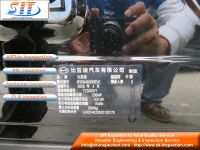
Nameplate &
Identification:
| 国家: |
China |
| 型号: |
-
|
| 离岸价格: |
228 ~ 268 / Set ( Negotiable ) (面議)
获取最新报价
|
| 位置: |
- |
| 最小订单价格: |
228 per Set |
| 最小订单: |
1 Set |
| 包装细节: |
- |
| 交货时间: |
24h |
| 供应能力: |
- |
| 付款方式: |
Other, PayPal, Money Gram, L/C, T/T |
| 產品組 : |
- |